
INSPIRE -

READ THE STORIES

ARCHITECT LEO USES HIS KNOWLEDGE TO MAKE THE WORLD MORE BEAUTIFUL

“I keep looking for things that add something to my life and that of others.”

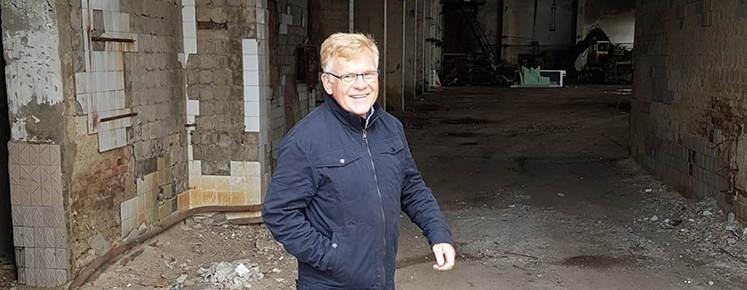
As a teenager, Leo (68) dreamed of doing international development work. Instead he ended up becoming an architect. However, his dream was never lost and remained with him throughout his life. Now that he’s retired, he wants to use his knowledge and experience to make the world a little bit brighter.

Helping others was something Leo knew he wanted to do from a very young age. “My father set an example for me. He was always there for others, especially those who were struggling. When I was younger, I saw him slip money into the hand of a struggling aunt. He didn’t want anyone to know, but I saw it. He wasn’t after anything for himself either. He once told me, ‘I could drive a bigger car if I wanted, but I want your life to be good, in case something happens to me.’ His instinct was right; he passed away not long after. I was seventeen.”

Choosing meaning over money

Leo veered away from his original dream and began a degree in engineering. “I didn’t really know what I wanted to do. When I finished my studies, I didn’t want to end up just working for yuppies. I wanted to do something that had real societal value. The great thing was that I got the chance to spend ten years working on hospital construction. That meant far more to me than building a villa for some wealthy client ever could. Hahaha!”

Paradise

“As an architect, beauty is an important value to me. It’s my ambition to create beauty, to make things more beautiful. It’s something I enjoy a lot. We all want to find paradise, don’t we? We’re looking for some kind of perfection. It’s ultimately not possible to achieve perfection in this life, but it has been my challenge nonetheless to keep working towards it.”

New assignment

When Leo retired a couple of years ago, he was struck by the quiet of everyday life. “I prayed for a new assignment, a new sense of purpose. That was the beginning of something remarkable. Shortly afterwards, I had a dream in which two groups were fighting. The next morning, I woke up hearing the word ‘Moldova.’ The conflict in my dream mirrored the tensions on the border between Russia and Europe; Moldova sits right on that border. It’s the poorest country in Europe. Many people leave to work abroad, leaving their children behind with grandparents, or sometimes even neighbours. I thought to myself: I have to do something. I asked around and met a Dutchman who had built a factory in Moldova to tackle unemployment. Eventually, I went there myself. I’m now working on a project to develop a centre for elderly people, which connects perfectly with my experience in hospital construction.”

‘I hate hobbies’

“When people asked me if I’d spent my retired years picking up hobbies, I was almost offended. He continues with a smile: “I hate hobbies. I don’t like the idea of entertaining myself to pass the time when instead I could be using my experience to help others. The journey I started on when I was younger isn’t any different now. I’ll keep looking for the things that add value and purpose to my life, but also to the lives of others.”
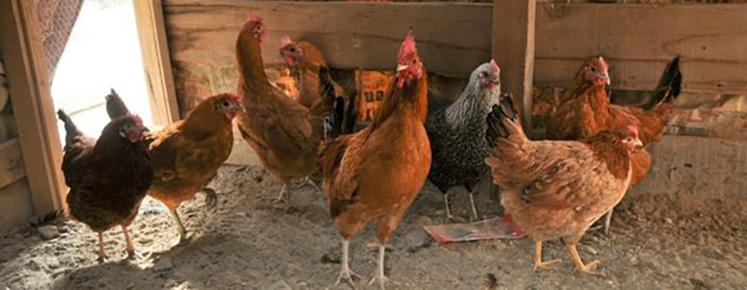
Bastian helped building local poultry industry in Afghanistan

"Everyone has the potential to make a positive difference, to help others, and to add value in the world. "

Entrepreneurship is in Bastian’s blood, but it must serve a purpose. His deep passion for social entrepreneurship ultimately led him on a journey to Afghanistan.

After studying Economics and Law at university, Bastian began working for a bank. “But after a while, I felt there had to be more. It was very one-sided, and I missed the human dimension in my work.” He went on to complete an MA in International Development, but it still didn’t quite feel right. Eventually, Bastian became involved with an organisation dedicated to helping people by building local businesses around the world. “I’d never encountered anything like it before; a brilliant combination of commerce and sustainability.”

Profit maximisation

Bastian: “At the end of the day, people need to make a living. Earning money isn’t a bad thing, but you have to ask yourself: why am I making a profit? Social entrepreneurship isn’t just about maximising profits; it’s about building a strong company that can stand on its own. It’s about the positive impact you can have on the lives of your employees and your community.”

Bastian has been involved in developing several social enterprises. He worked on a project in Ukraine—a farm where people struggling with addiction could spend their days. The project generated its own revenue to fund the rehabilitation programme. Later, he co-founded a chocolate company with a business partner, creating opportunities for people who had been long-term unemployed and helping them return to the workforce.

Afghanistan

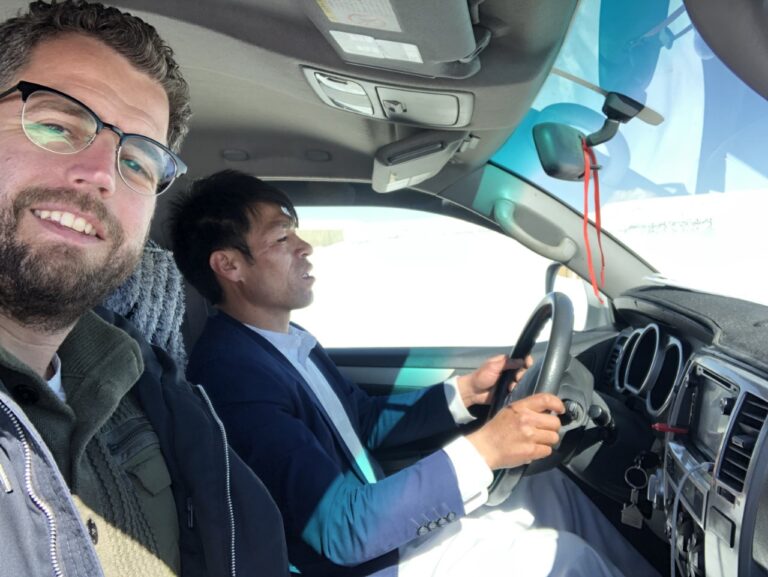
His passion for social entrepreneurship eventually took him to Afghanistan. “In 2016, I was introduced to a foundation whose mission is to support local entrepreneurship in Afghanistan. We started with just two enthusiastic entrepreneurs and a shed housing 3,500 chickens. Imported poultry meat was both poor in quality and very expensive.” The business soon gained traction, and many farmers in the region began to adopt the concept. From there, a cooperative for joint purchasing was established, along with a chicken feed company and a slaughterhouse.

Bastian: “In Afghanistan, I saw all the elements of social entrepreneurship come together. The business generated revenue in a sustainable way, the employees were happy working there, and the company had a positive impact on the local economy. Today, more than five hundred people are involved in the poultry industry in this region of Afghanistan, able to support their families. That’s the true power of social enterprise!”

Making a difference

“Everyone has the potential to make a positive difference, to help others, and to add value in the world. But people need the opportunity. I want to provide that opportunity. In just five years, the two young men founded and built an entire industry in Afghanistan. With the right support, people can achieve almost anything they set their minds to.”